Modern Medicine and the Future of Healthcare

Science and technology have revolutionised surgery and medicine: we benefit from treatments that would have amazed our grandparents. But we are also confronted by stories about crisis in the NHS. The picture is at once inspiring and frightening, bewildering and almost impossible to understand. In Tenterden u3a’s study morning at Homewood School’s Sinden Theatre on Saturday 14 March, three eminent professors of surgery came to our aid.
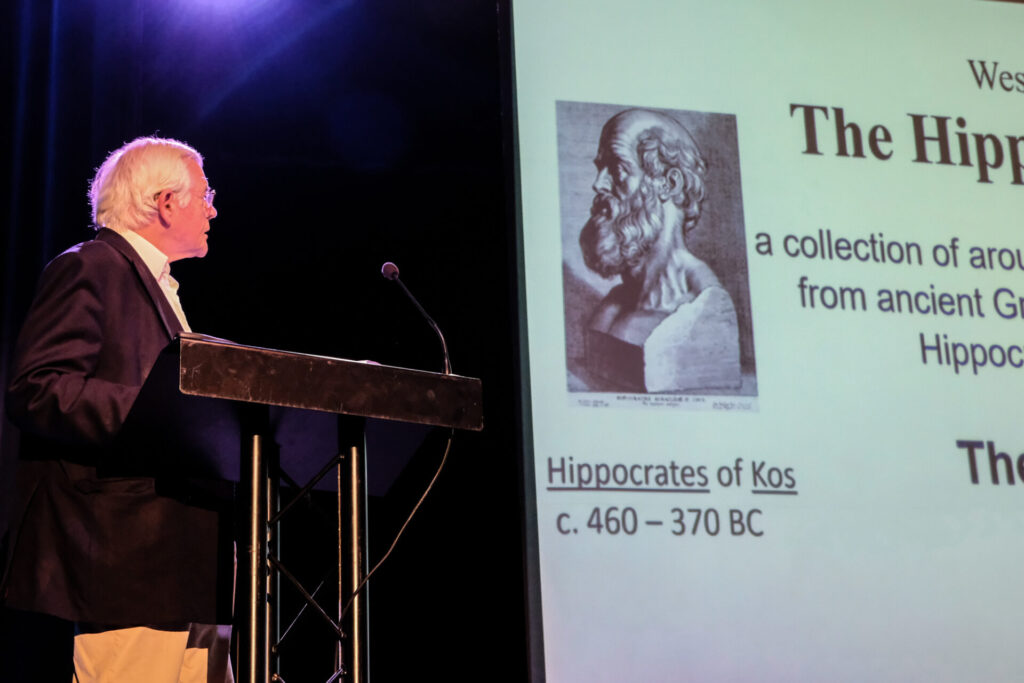
After an introduction from Jenny Stevens, John Nicholls - retired as a surgeon but still a Professor of Colorectal Surgery at Imperial College London - set the scene with a survey of medical history, from Hippocrates in ancient Greece to the transformation of medical science in the twentieth century.
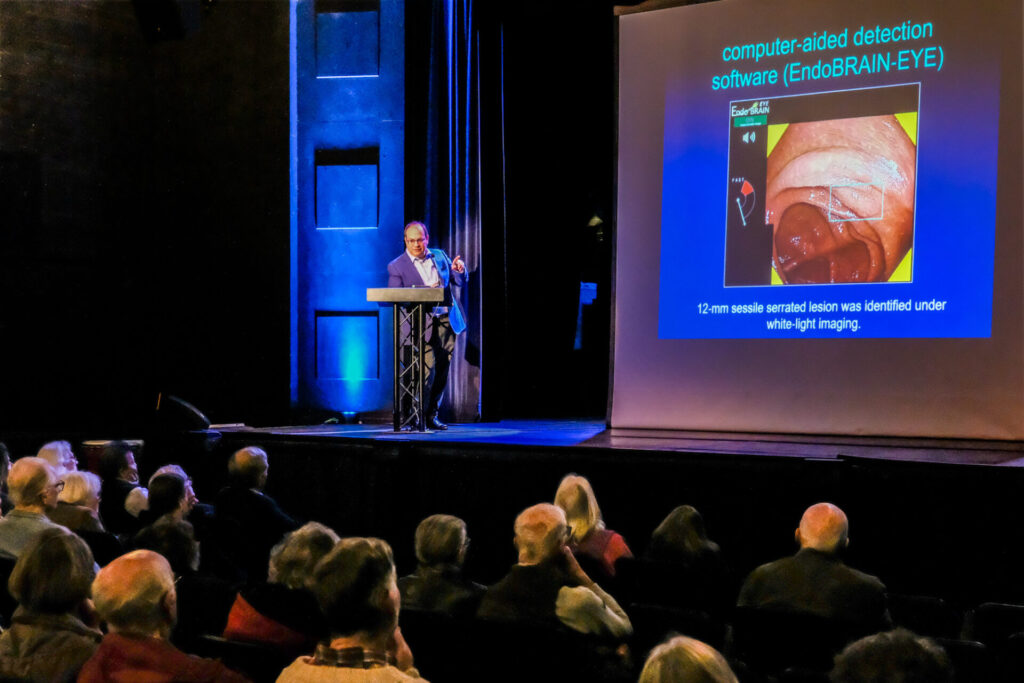
Professor Paris Tekkis, Consultant and Professor of Colorectal Surgery at the Royal Marsden/Imperial College, described the state-of-the-art in the treatment of colonic cancer by robotic surgery, digital imaging, gene sequencing, data analytics and Artificial Intelligence.
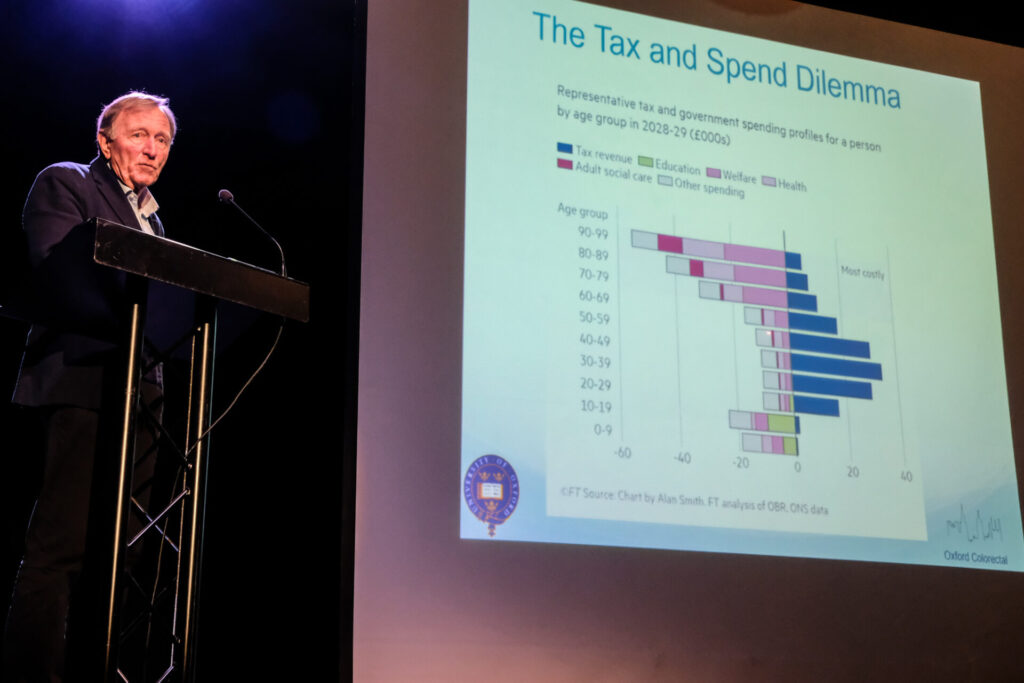
In UK Healthcare at the Crossroads Professor Sir Neil Mortensen, President of the Royal College of Surgeons during Covid, analysed the dilemmas facing the NHS and the challenges posed for the health service by the government’s 10 Year Health Plan for England. In the concluding panel session, Dr Neil Pillai of Tenterden’s Ivy Court Surgery joined the speakers to answer questions from the floor and explain some of the issues that confront the GP.
It was a remarkable morning, and a rare privilege to listen to and question such a distinguished group of experts. Any summary would be incomplete and almost certainly inaccurate. What messages though, did we the audience take away?
When it comes to medicine and health, we are truly fortunate to be living in the twenty-first century. For most of history, doctors had little to offer in the way of cures; surgery before anaesthesia and antisepsis was brutal and often deadly. But health is not just about medicine: the increase in life expectancy in the nineteenth and early twentieth centuries owed more to social advances, sanitary reform, clean water, and public health legislation than to medical care. It is a sobering thought that our Victorian drainage systems have become inadequate, and we are again suffering dangerous sewage discharges.
Advances in medical technology are awe-inspiring, as are the skills of the professionals who treat us, but we worry about the cost of advanced surgical techniques. Can access to this level of medical technology ever be universal? The shift to hospital treatment by multidisciplinary medical teams is hopeful, but also confusing. Who do we talk to? Will they see us as a person rather as a condition?.
Where we once assumed that healthcare was mainly concerned with pathology, we are increasingly faced with the problems of ageing and stress: once again, healthcare is not just about medicine. On the one hand, medical science and technology can treat an ever wider range of conditions; on the other, healthcare competes for resources with other essentials. With an ageing population and a growing demand for ever more sophisticated treatments, how can the historic ideal of a universal service, free at the point of delivery, possibly be maintained? The politics, financing and management of healthcare seem far more intractable than any strictly medical issues.
But for all the problems, we are fortunate! We are living in a golden age of scientific medicine; we have access to excellent primary care at our local surgery. So, once again, our gratitude to the speakers and organisers of the study morning and, above all, to John Nicholls for making it possible and persuading his colleagues to share their thoughts with us.
Tom Evans, Tenterden u3a.